Finishing treatment is an important step, and ongoing care still matters. A follow-up plan helps you understand your results, look after the treatment site and know when your skin should be examined again.
Understand your next steps
Ask your doctor to explain the diagnosis and whether the removed tissue needs any further treatment. If you have had surgery, confirm how pathology results will be communicated and whether a further appointment is needed.
A useful written plan includes wound-care instructions, any stitch-removal appointment and your next skin check. If part of the plan is unclear, ask the team to explain it before you leave.
Care for the treated area
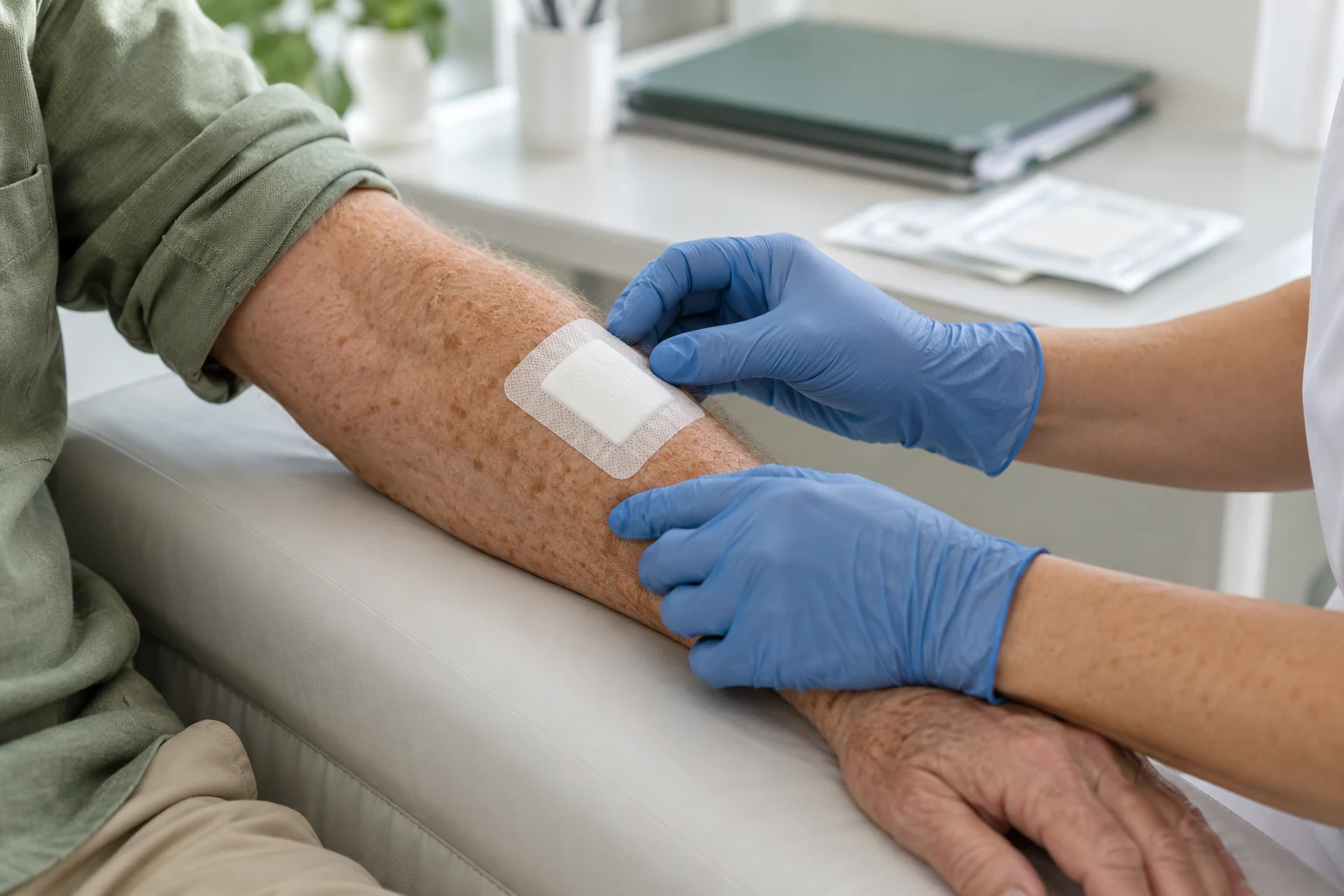
Follow your clinician’s instructions for dressings, washing and returning to activity. Healing time varies with the procedure and the part of the body treated.
Contact the clinic if pain is getting worse or you notice spreading redness, pus or fever. Report concerns rather than waiting for a routine follow-up. Your clinician can advise what is expected for your particular wound.
Look after your skin over time
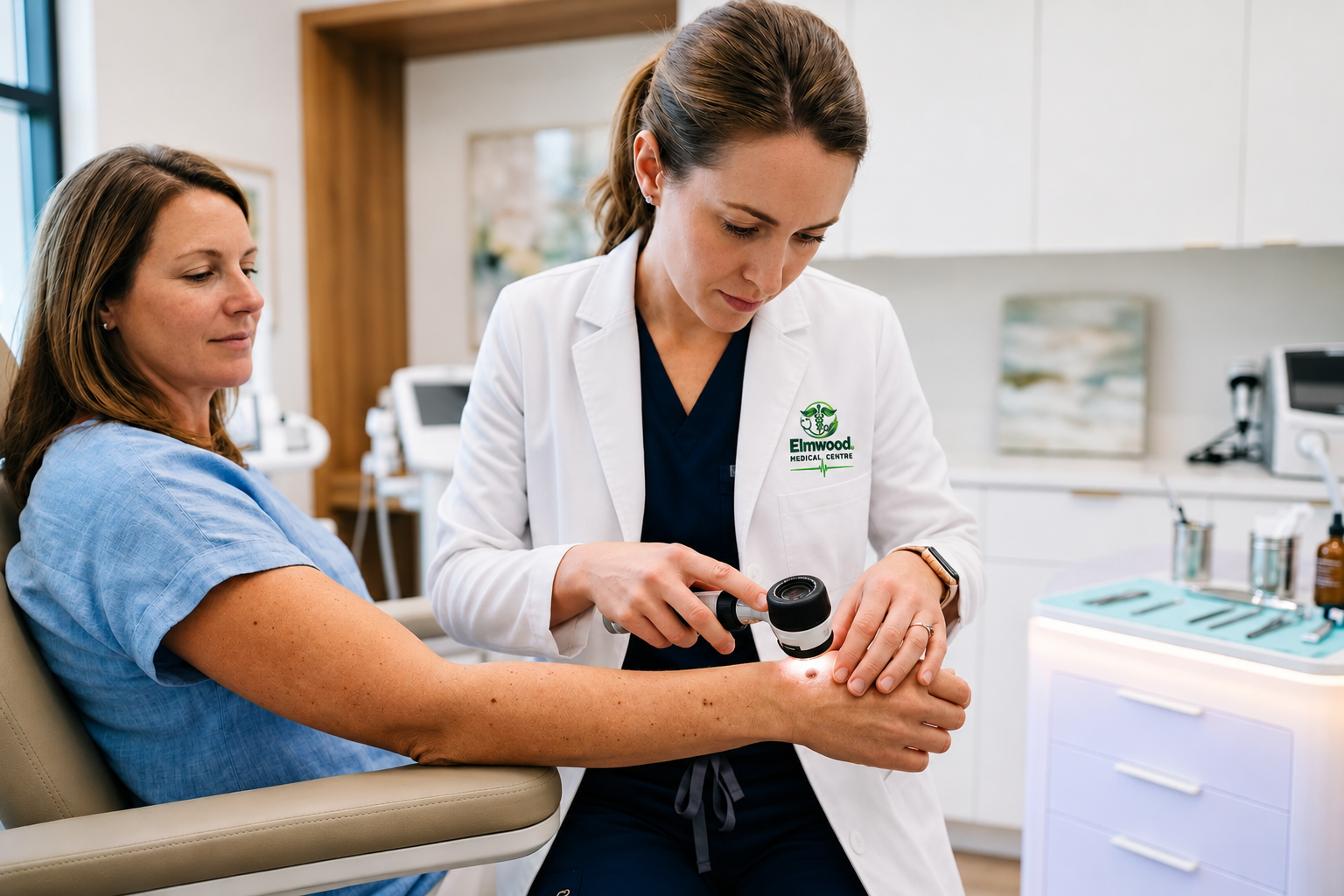
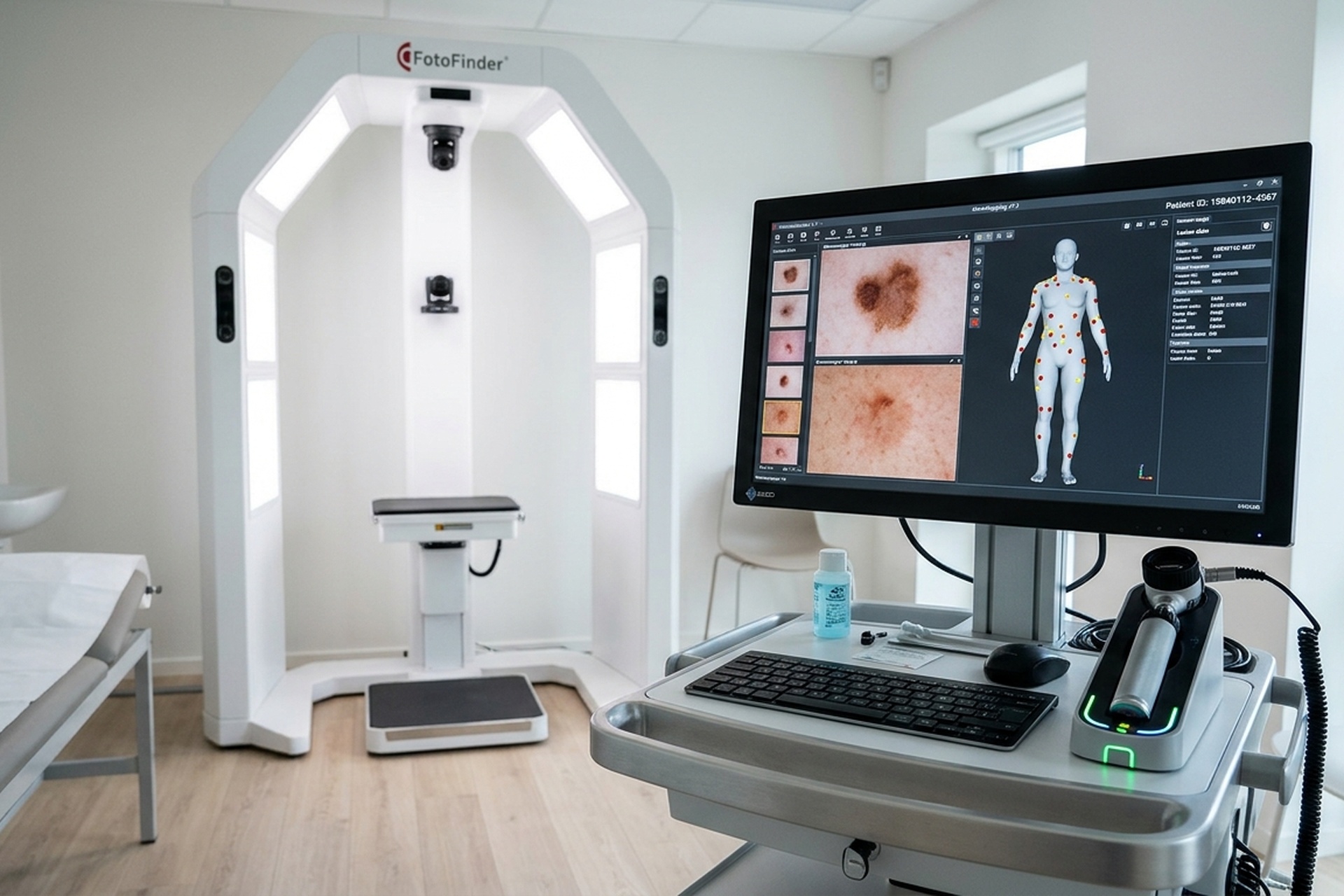
A previous skin cancer increases the chance of another one, so your doctor may recommend ongoing skin examinations. The interval depends on the cancer, your history and your risk; it is not the same for everyone.
Stay familiar with your skin and report a new, changing or non-healing spot. Continue a combination of sun-protection measures, including clothing, sunscreen, shade, a hat and sunglasses. Bring questions about new symptoms or worries to your follow-up visits.
Further reading & sources
This guide provides general information. Your doctor can advise on your symptoms, risk and individual care.