
Routine & full-body
skin checks.

Time to talk. A careful examination.
A clear plan for what comes next.

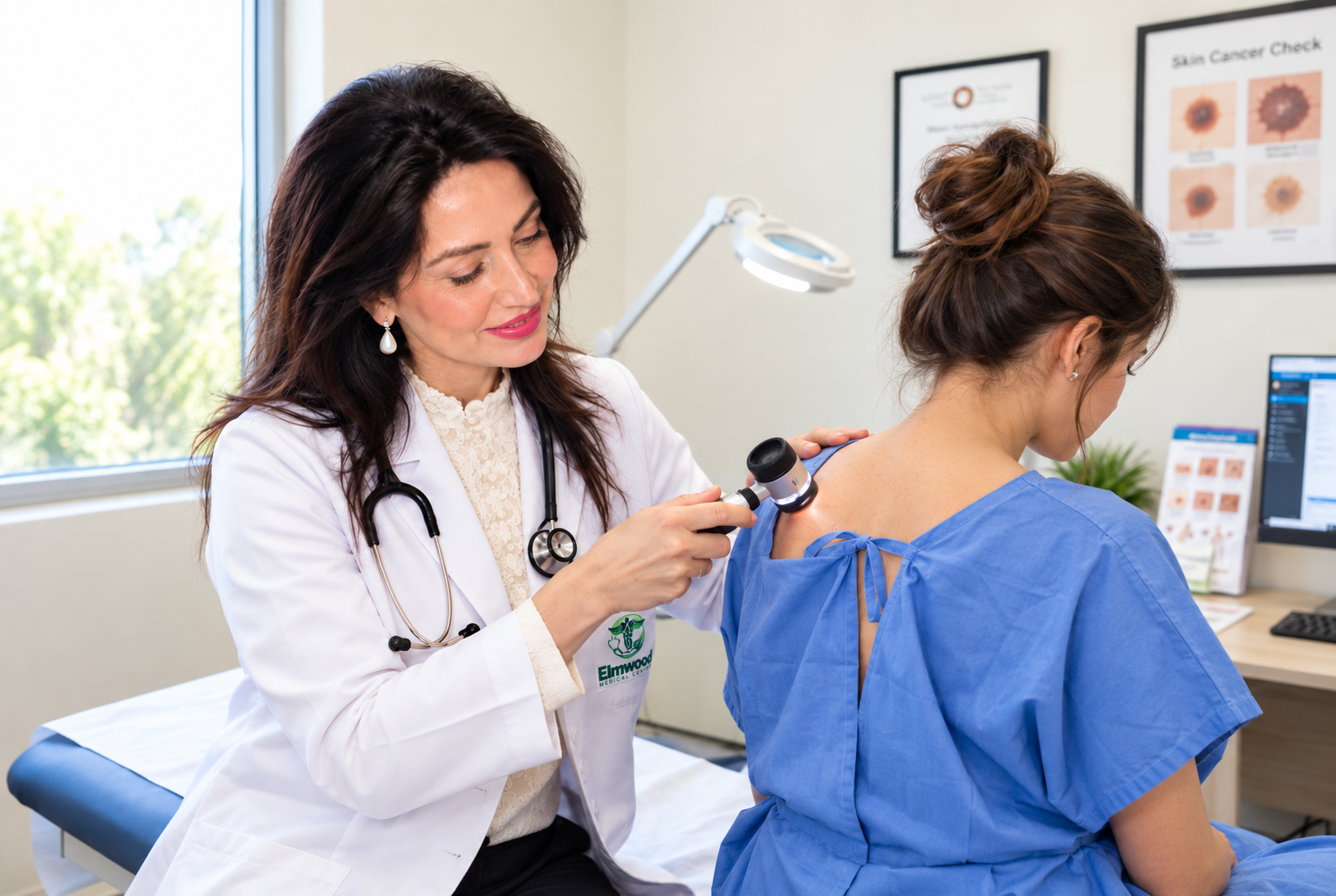
Doctor examining a patient's shoulder with a dermatoscope during a skin check
A closer look.
A more informed next step.
Routine skin assessment
01Doctor-led examination02Your privacy & consent03Individual follow-up

Know your skin

A careful check.
A personal plan.

A skin check brings together the changes you have noticed and a doctor's examination of your skin.

Your doctor asks about your history, examines your skin and may use a dermatoscope to look more closely at individual spots. The findings help guide whether you need reassurance, monitoring or further assessment.

Your visit, explained

What happens
at your appointment.

Understand the process.
Feel comfortable asking questions.

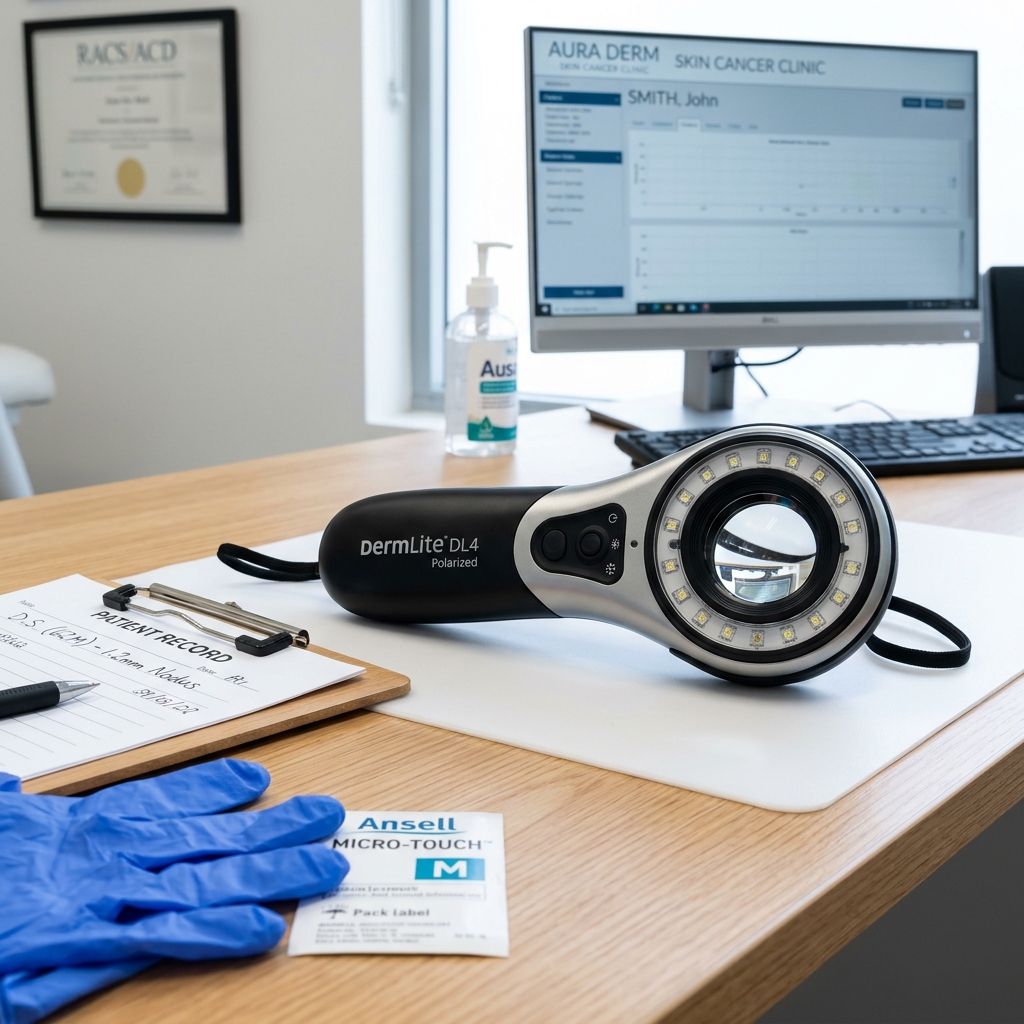
Handheld dermatoscope on a clinical desk beside a skin assessment display
Dermoscopy

A handheld light and magnifying instrument lets your doctor examine a spot in closer detail.

  1. 01

    Start with your story

    Discuss the spots that concern you, any previous skin cancers, family history and relevant medicines or health conditions.

  2. 02

    An examination, with your consent

    Your doctor explains the examination. You may be asked to undress to your underwear so your skin can be checked. You can ask questions or decline any part of the examination.

  3. 03

    A closer look at individual spots

    A dermatoscope helps your doctor examine individual spots more closely. Your doctor explains the findings and whether a spot needs reassurance, review or further assessment.

  4. 04

    Your next steps, explained

    A spot may need no action, a review, a biopsy or specialist assessment. Ask what the findings mean, how results will reach you and when to return.

Before you arrive

A little preparation.
A better conversation.

Make a note of what matters to you. Our team can help with questions about your visit.

Talk to our team
  • Note any changes

    List the spots you want checked and when you first noticed a change.

  • Bring your history

    Have your medication list and any relevant previous skin reports or photographs available.

  • Plan for a comfortable examination

    Choose clothing that is easy to remove. Tell the clinic about privacy, access or chaperone requests when booking.

  • Check the booking details

    Confirm fees, appointment requirements and any preparation instructions with the clinic.

Care between visits

Your follow-up is personal.

There is no single skin-check interval for everyone. Your doctor considers your history and risk when recommending a schedule. Stay familiar with your skin and report a concerning change between appointments.

Read the appointment guide

Good questions, clear answers

A few things
you might be asking.

For advice about your own symptoms or appointment, speak with our team.

What is a full-body skin check?

It is a medical examination of your skin, guided by your history, concerns and consent. Your doctor may use a dermatoscope to assess individual spots and explain whether further assessment is needed.

How often should I have my skin checked?

Ask your doctor about a schedule suited to your risk. Previous skin cancer, unusual moles, family history and a weakened immune system can affect follow-up. A new or changing spot should be assessed sooner.

What happens if a suspicious spot is found?

Your doctor will explain the concern and recommended options. These may include monitoring, a biopsy, removal or referral. A tissue sample may be needed to confirm a diagnosis; appearance alone does not always give a clear answer.

What should I bring to my skin check?

Bring your medication list and relevant previous skin reports. Make a note of spots that concern you and when you first noticed a change, so you can discuss them with your doctor.

How do I book, and what will it cost?

Use the online booking button or call (02) 6056 2011. Ask the clinic to confirm current fees, any referral requirements and whether a procedure would involve a separate appointment or charge.

Can I ask for support during the examination?

Yes. Let the team know about privacy, mobility or chaperone requests when you book. Your doctor should explain the examination, and you can ask to pause or decline any part of it.

What to expect at a skin check

A skin check is a conversation about your concerns followed by an examination of your skin. The doctor considers your history and any changes you have noticed.

During the visit

The examination is explained before it begins. You may be asked to undress to your underwear. A handheld dermatoscope can help the doctor assess individual spots. You can ask questions or decline any part of the examination.

Before you leave

The plan may involve monitoring, a biopsy or specialist assessment. Ask how results will be communicated, when to return and what the appointment or any further procedure will cost.

An original summary based on Healthdirect Australia patient information. General information; your clinician can advise on your individual care.

Dermoscopy, monitoring and biopsy

A dermatoscope is a handheld magnifying instrument used to examine skin features more closely. It helps your doctor decide whether a spot needs further assessment.

A closer clinical examination

Your doctor considers the appearance of the spot alongside your history and any changes you have noticed. Ask what the examination shows and whether the next step is reassurance, a review or further assessment.

When a sample is recommended

A suspicious lesion may need a biopsy so a pathologist can examine the tissue. When melanoma is suspected, removal of the whole spot is generally preferred when appropriate.

An original summary based on Cancer Council Australia patient information. General information; your clinician can advise on your individual care.

Planning checks around your personal risk

Clinical skin checks and self-awareness have different roles. Your history and risk help your doctor decide whether regular examinations or additional monitoring are appropriate.

Discuss your background

Previous skin cancer, unusual moles, family history and immune suppression are among the factors that may influence a review plan. Explain any changes you have noticed as well as your earlier diagnoses.

Between appointments

Stay familiar with your skin, including hard-to-see areas. Existing photographs can document changes, but an app or photograph should not be used to reassure yourself that a concerning spot is harmless.

An original summary based on Cancer Council Australia patient information. General information; your clinician can advise on your individual care.

A little more clarity

Patient guide

More Services

    Here for your skin · Albury–Wodonga

    Your skin.
    Worth a closer look.

    Take the next step with our skin clinic team.

    7 McFarland Road, Wodonga VIC
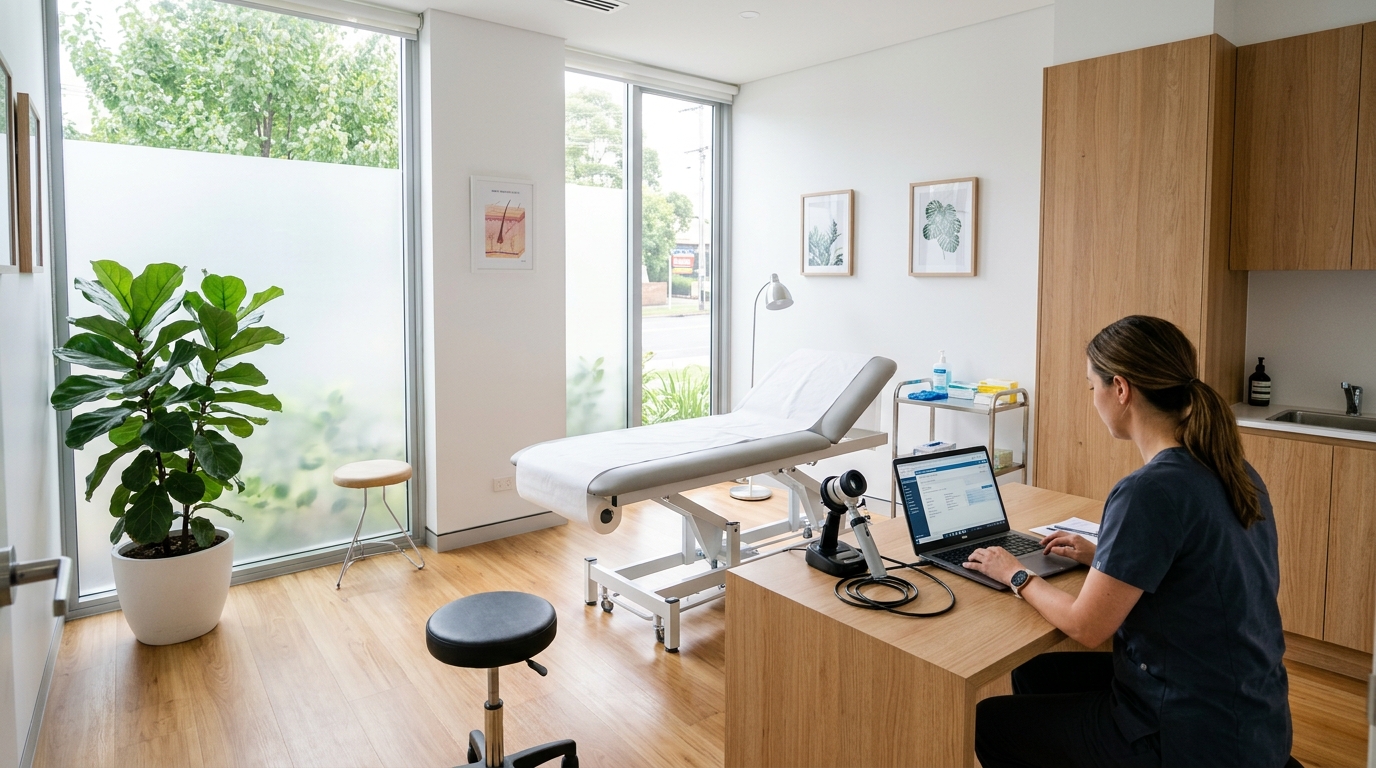
    Light-filled consultation room with a dermatoscope and examination bed