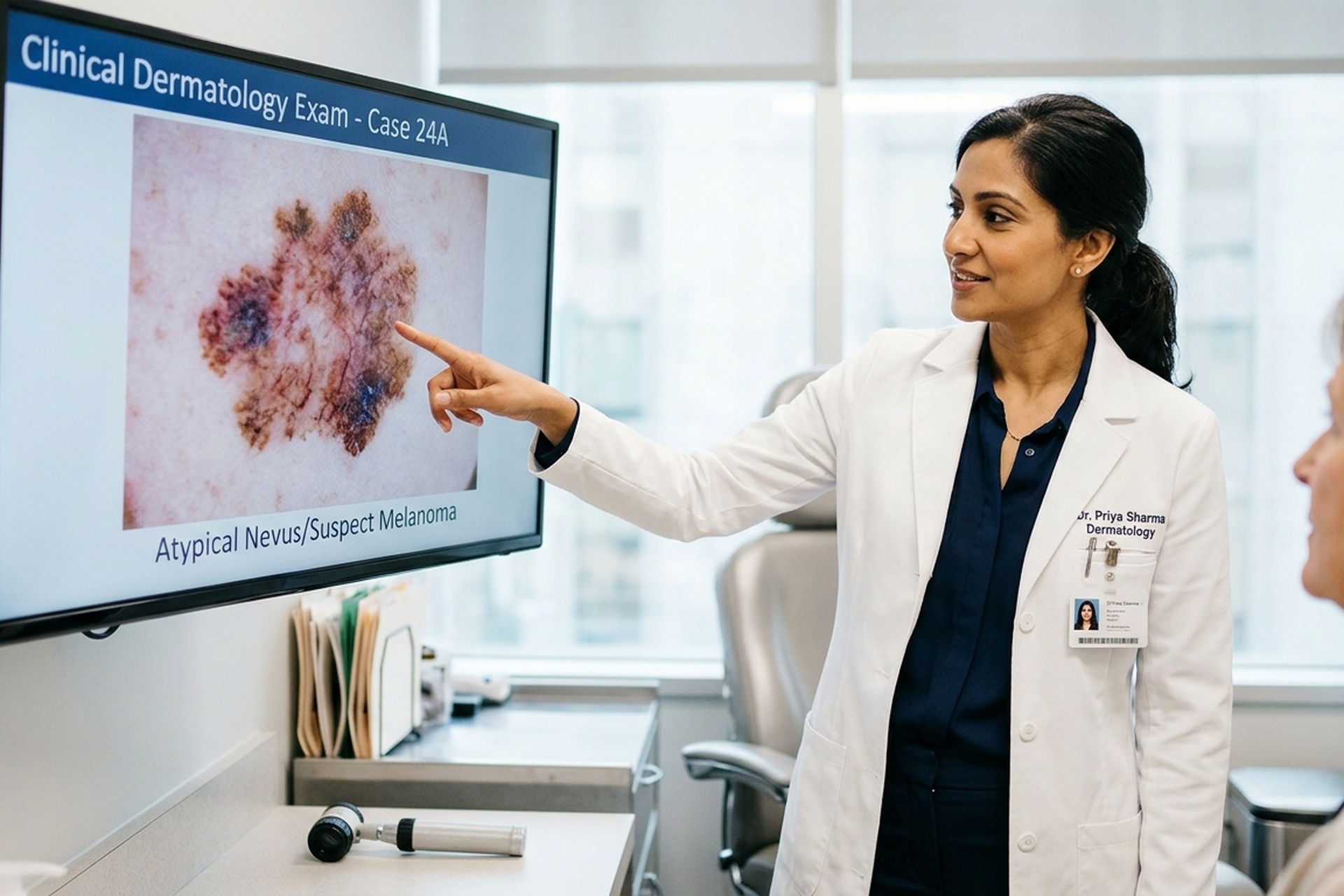
A professional skin check gives you an opportunity to discuss a concerning spot and have your skin examined. Your doctor considers your personal risk and any changes you have noticed, then explains what should happen next.
Before your appointment
Make a note of spots that worry you, when you first noticed them and any changes. Tell your doctor about previous skin cancers, family history, medicines and any problems with your immune system.
Ask the clinic how to prepare. Clothing that is easy to remove can help. Let the team know if you have concerns about privacy, mobility or any part of the examination.
During a full-body skin check
Your doctor explains the examination and asks for your consent. You may be asked to undress to your underwear so different areas can be examined while your privacy is respected. Tell the doctor if you are uncomfortable at any point.
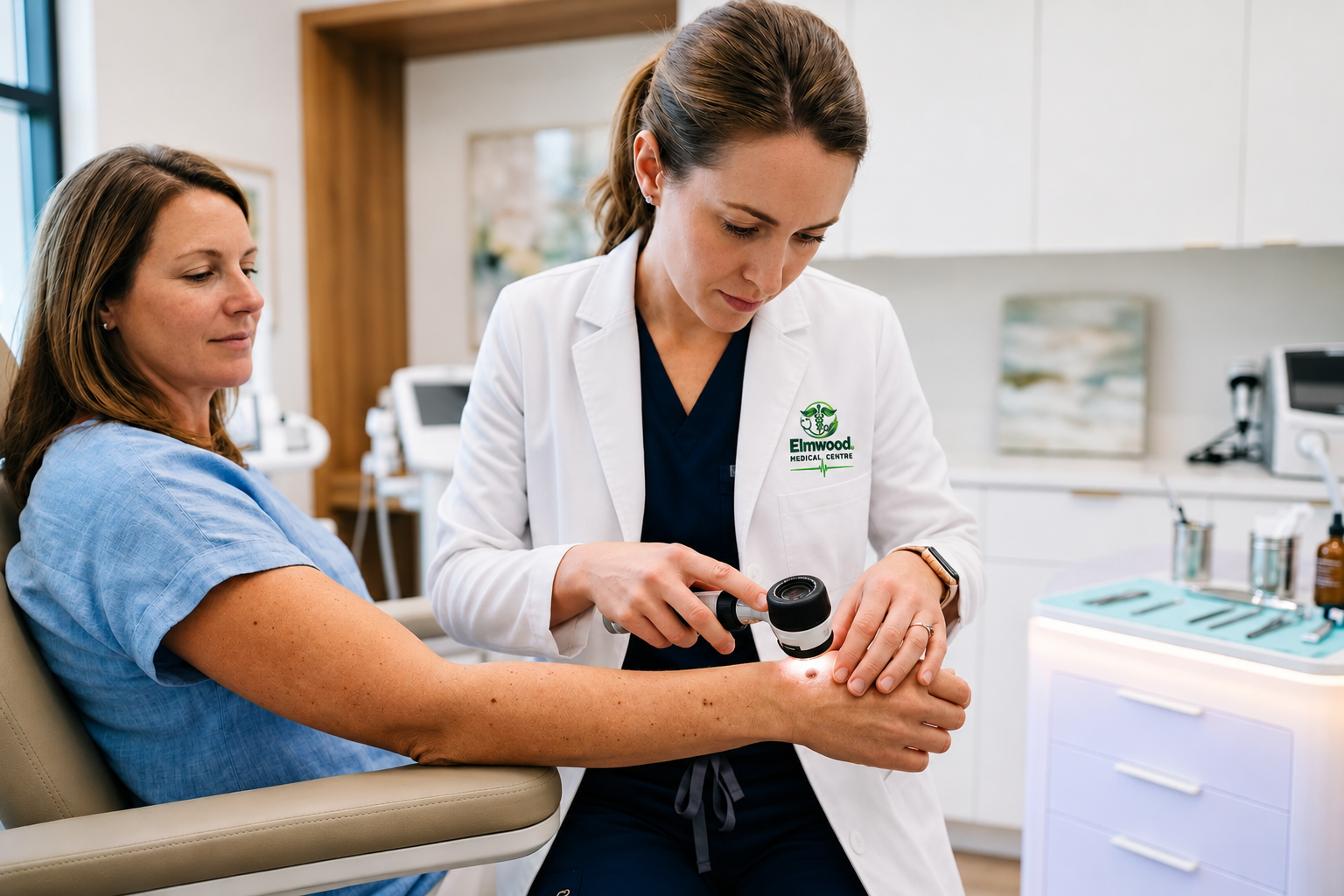
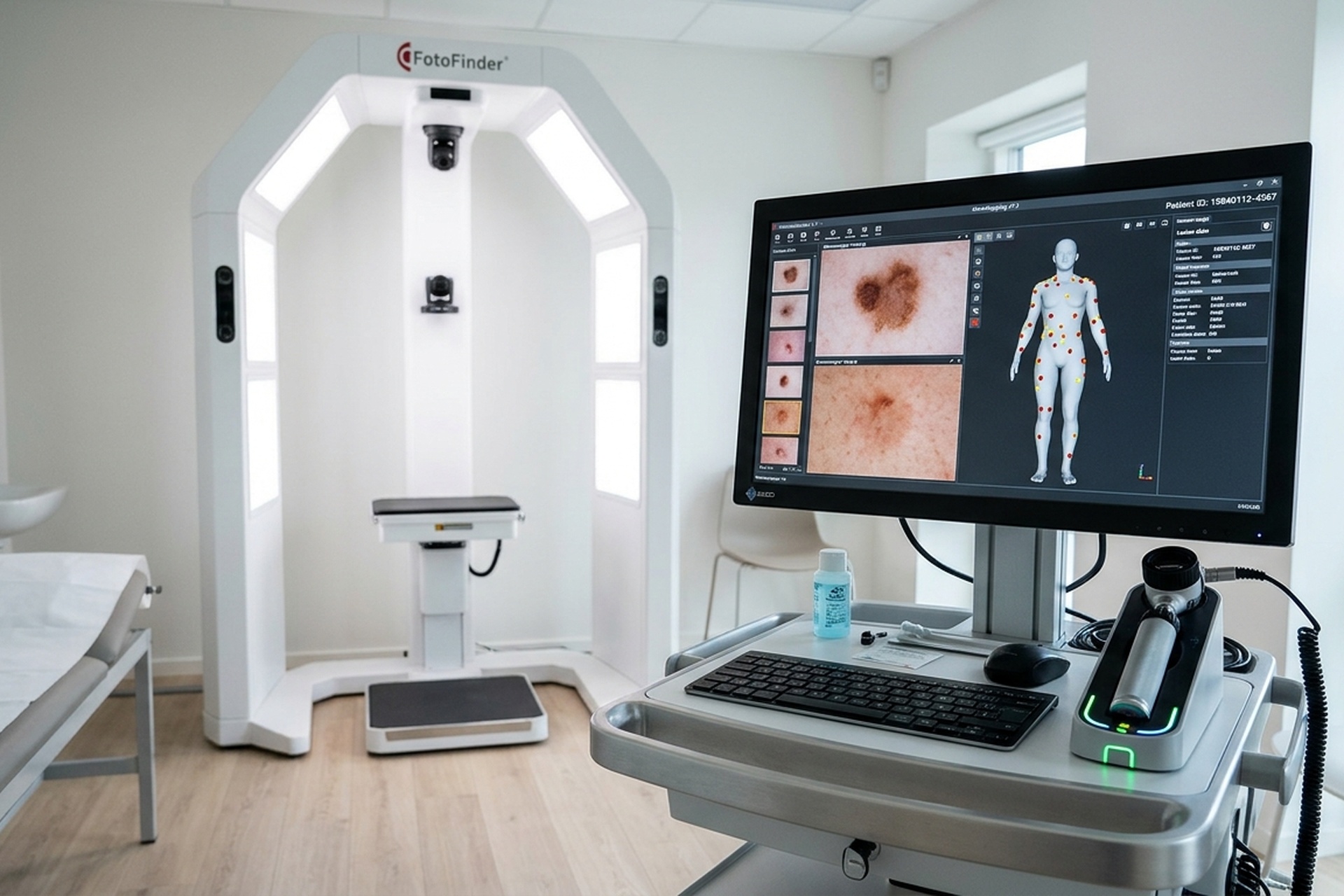
A dermatoscope is a handheld instrument that lets the doctor examine spots more closely. Your doctor explains the findings and whether any areas need review or further assessment.
After the examination
The doctor will discuss any findings with you. A spot may need no action, a review, a biopsy or further treatment. Ask how any test results will reach you and what to do if you have not heard back.
There is no single screening interval for everyone. Your history and risk help guide follow-up. Checking your own skin between visits remains useful; do not wait for a scheduled check if you notice a concerning change.
When to book your next check
Book a medical review promptly if you notice a new, changing, bleeding or non-healing spot. You do not need to wait until your next planned skin check.
If you have no concerning changes, ask your doctor how often your skin should be checked. Previous skin cancer, family history, many unusual moles and a weakened immune system can affect this plan. A routine appointment schedule should reflect your own risk.
Further reading & sources
This guide provides general information. Your doctor can advise on your symptoms, risk and individual care.