Basal cell carcinoma (BCC) and squamous cell carcinoma (SCC) are common types of skin cancer. Both often develop on sun-exposed skin. Their appearance can overlap with harmless skin conditions, so a persistent spot needs a medical assessment.
How BCC and SCC can look
Basal cell carcinoma
BCC may appear as a pearly or pale bump, a scaly patch, or a sore that heals and then returns. It usually grows slowly and rarely spreads elsewhere, but it can damage nearby tissue if left untreated.
Squamous cell carcinoma
SCC may look like a thickened, rough or scaly patch, a growing lump, or a sore that crusts or bleeds. It can grow more quickly than BCC and may spread, particularly when it has higher-risk features.
How a diagnosis is made
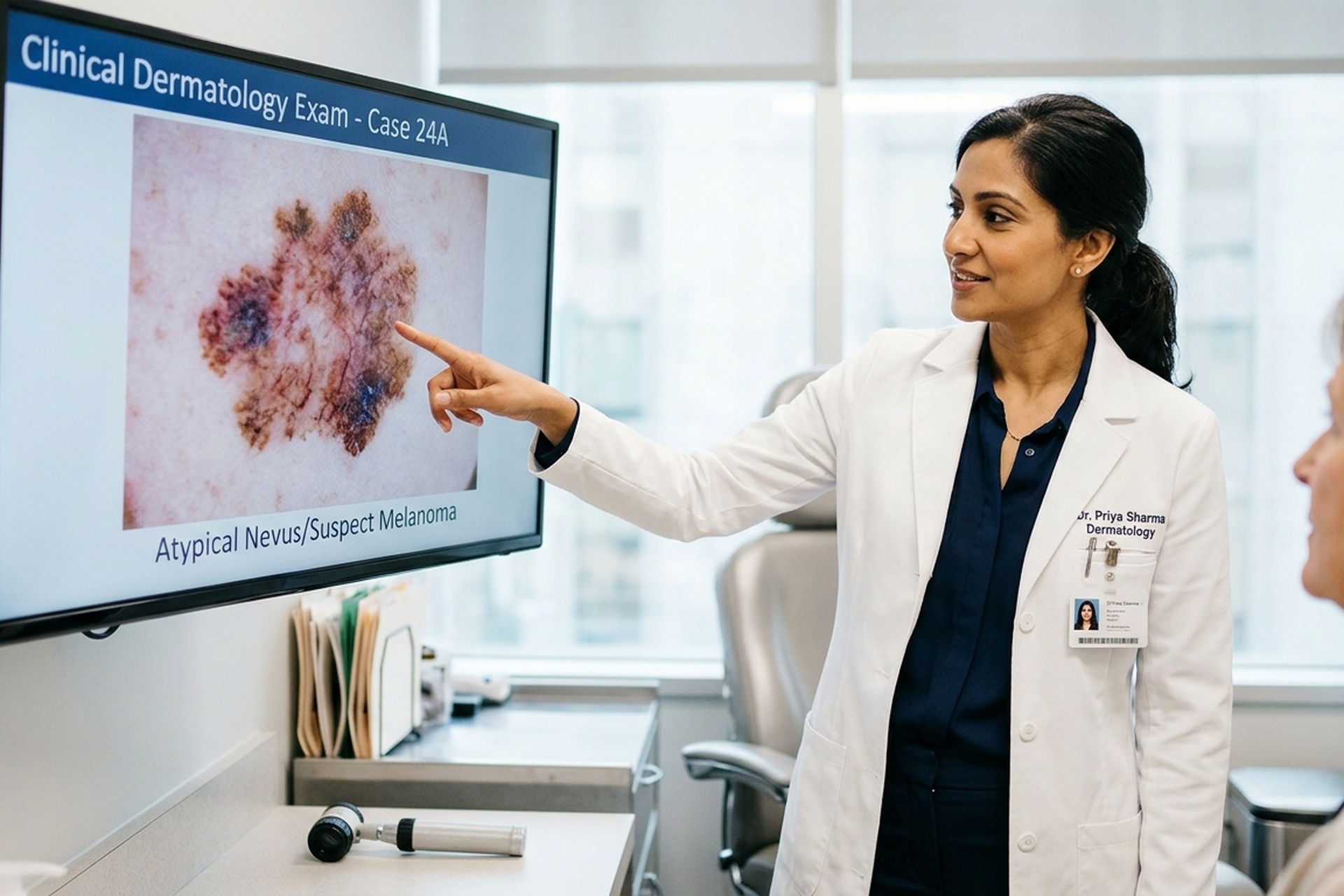
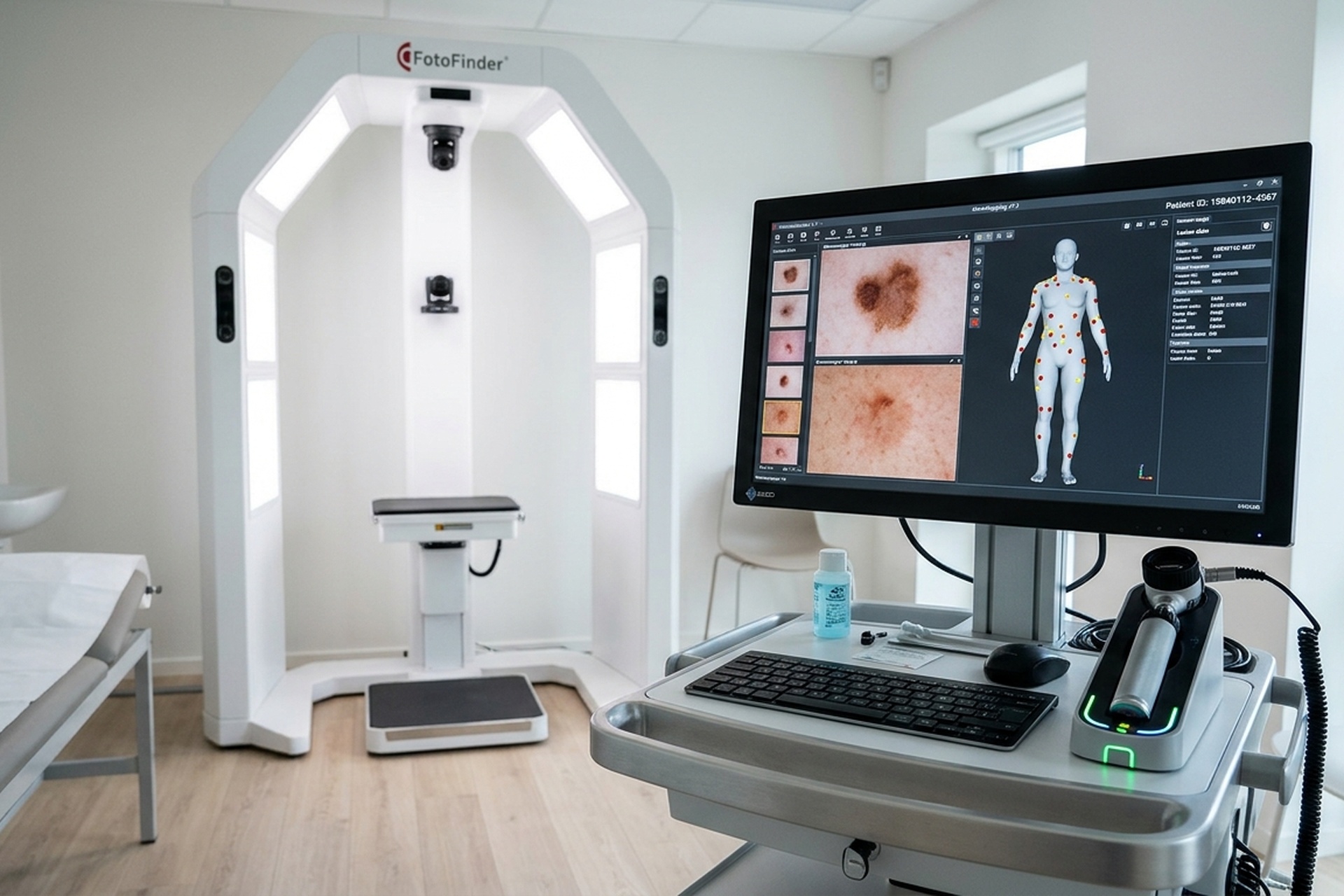
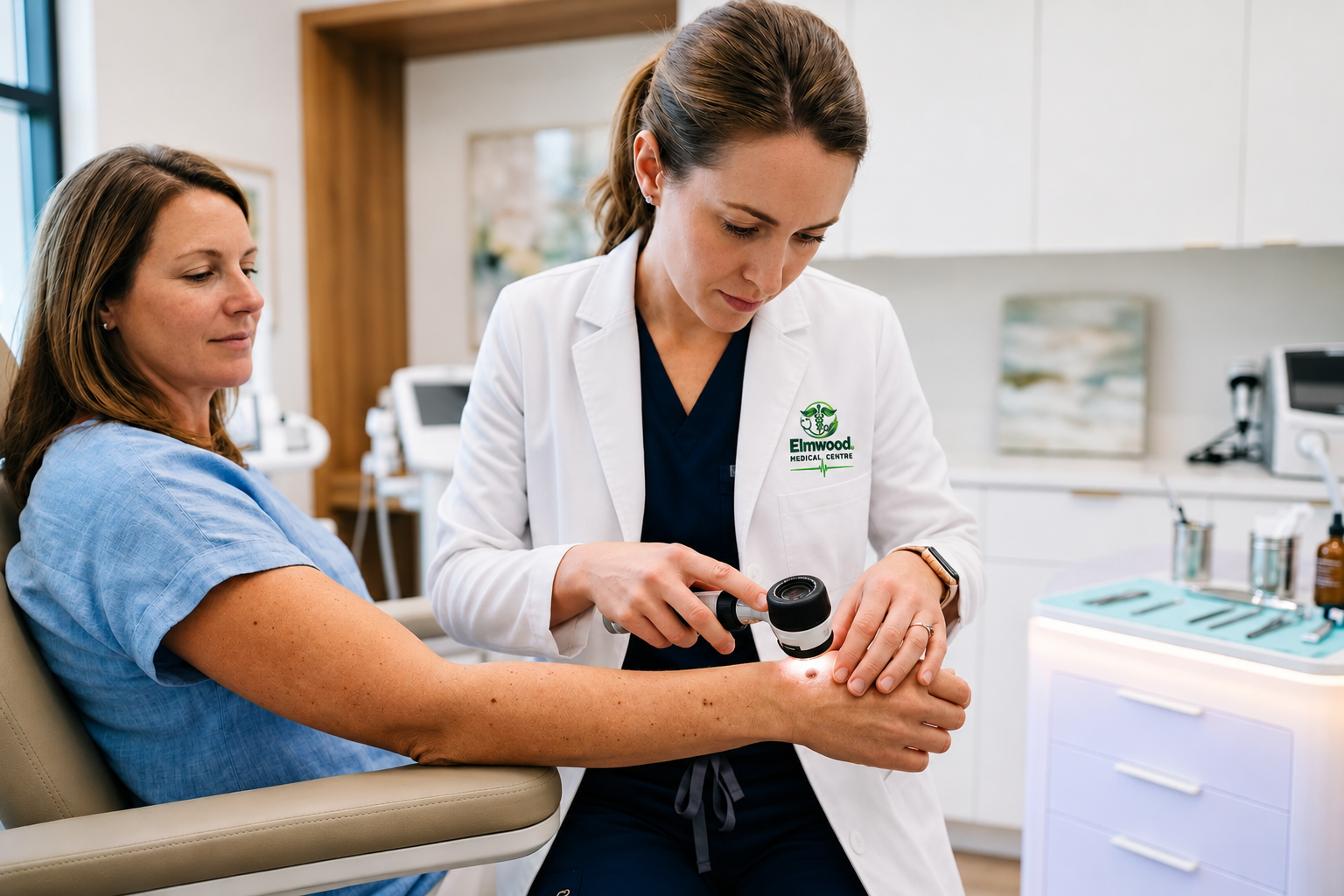
Your doctor will ask about the spot and examine your skin. A dermatoscope provides a closer view. A biopsy may be needed to confirm the diagnosis: a sample is sent to a pathology laboratory for examination.
A photograph or description cannot reliably tell BCC, SCC and other skin conditions apart. Tell your doctor how long the spot has been present and whether its size, texture or symptoms have changed.
Treatment and follow-up
Treatment depends on the type, size, location and other features of the cancer, along with your health. Surgery is common; other treatments may be suitable for selected cases. Your doctor will explain the options and any need for specialist care.
After treatment, ask how the results will be communicated and when your next skin check is due. Continue sun protection and report a new or changing spot between appointments.
Further reading & sources
This guide provides general information. Your doctor can advise on your symptoms, risk and individual care.